
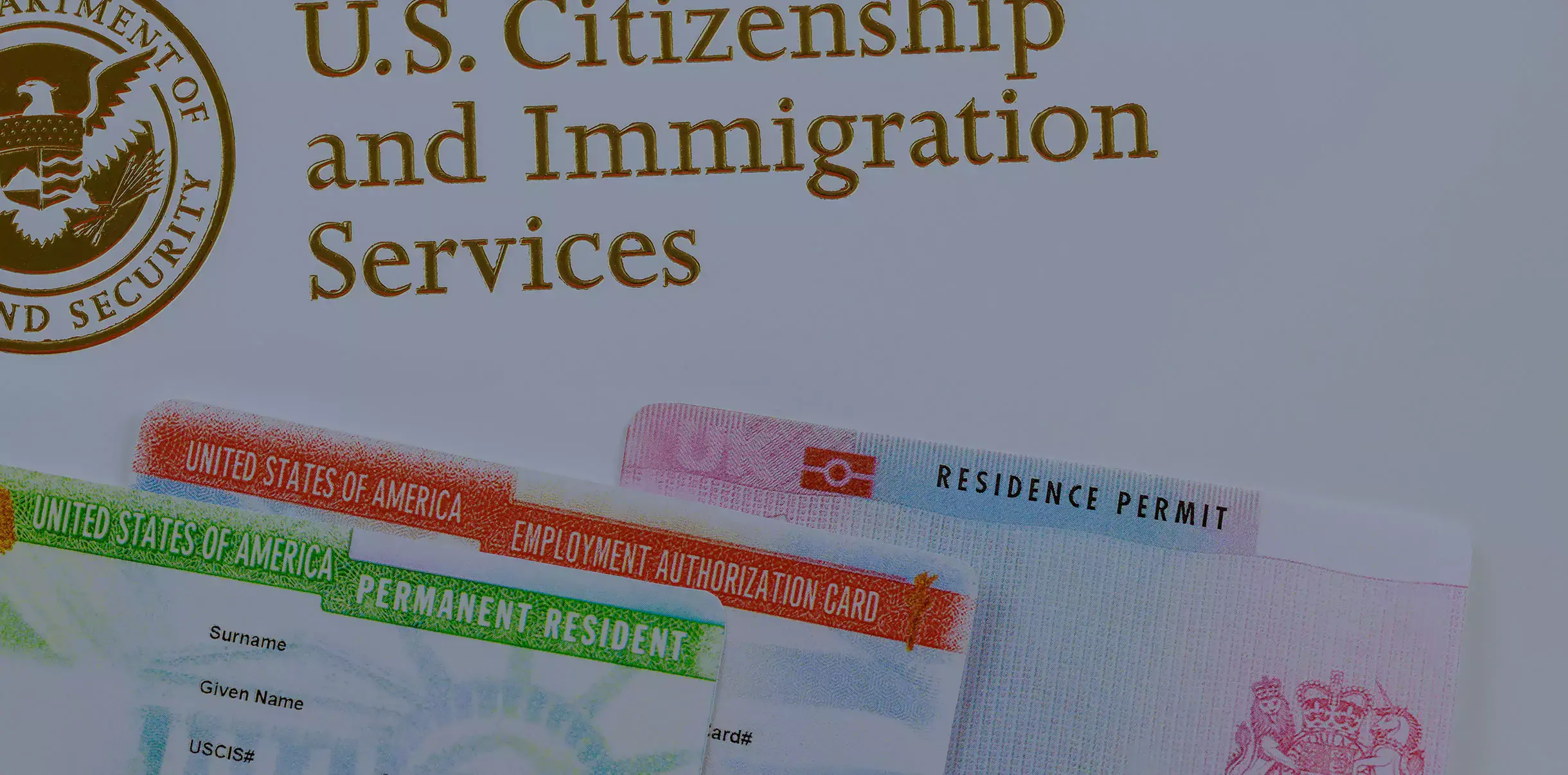
If you are a Filipino investor looking for a path to U.S. permanent residency, the EB-5 visa program puts you in control of your own immigration timeline. The Philippines has no EB-5 backlog right now in either unreserved or reserved categories, which means you and your family can move through the process without the decade-plus waits that other immigration paths carry. The main challenge for Filipino investors is documentation. You will need to prove lawful source of funds and handle BSP compliance when transferring capital out of the Philippines, and that planning needs to start early.
Pollak PLLC helps Filipino investors build complete EB-5 cases from our offices in Dallas and Fort Lauderdale with our EB5 visa lawyers.
What Is the EB-5 Visa and Why Is It a Strong Option for Filipino Investors?
Congress created the EB-5 visa program in 1990 to give foreign investors and their families a direct path to U.S. Green Cards. You do not need an employer sponsor, a job offer, or a specific degree. If you have the capital and the documentation to back it up, this program puts you in control of your own immigration timeline.
Here are the core requirements:
- A minimum capital investment of $800,000 in a TEA project (approximately PHP 46 million) or $1,050,000 in a non-TEA project (approximately PHP 60 million)
- Your investment must create at least 10 full-time jobs for qualifying U.S. workers
- You must show that your capital comes from a lawful source
- Your investment must go into a new commercial enterprise that meets USCIS standards
- Your spouse and unmarried children under 21 are included on the same petition
The EB-5 Reform and Integrity Act of 2022 added reserved set-aside categories that expanded access, and all of those categories remain current for the Philippines as of April 2026. That context matters when you compare EB-5 to the other immigration options available to you.
Why Are More Filipinos Choosing EB-5 Over Family-Based and EB-3 Green Cards?
If you have been waiting on a family-based petition, you already know how long those timelines can stretch. Depending on the preference category, you could be looking at 10, 15, or even 20-plus years before a visa number opens up. Employment-based categories like EB-3 have also carried long wait times for Filipino nationals in periods of high demand. EB-5 is different. Both unreserved and reserved categories are current for the Philippines right now, which gives you a realistic path to permanent residency that does not depend on waiting decades for a family petition or hoping that employment-based backlogs ease up. For families with the capital to invest, the contrast in timing alone makes this program worth serious consideration.